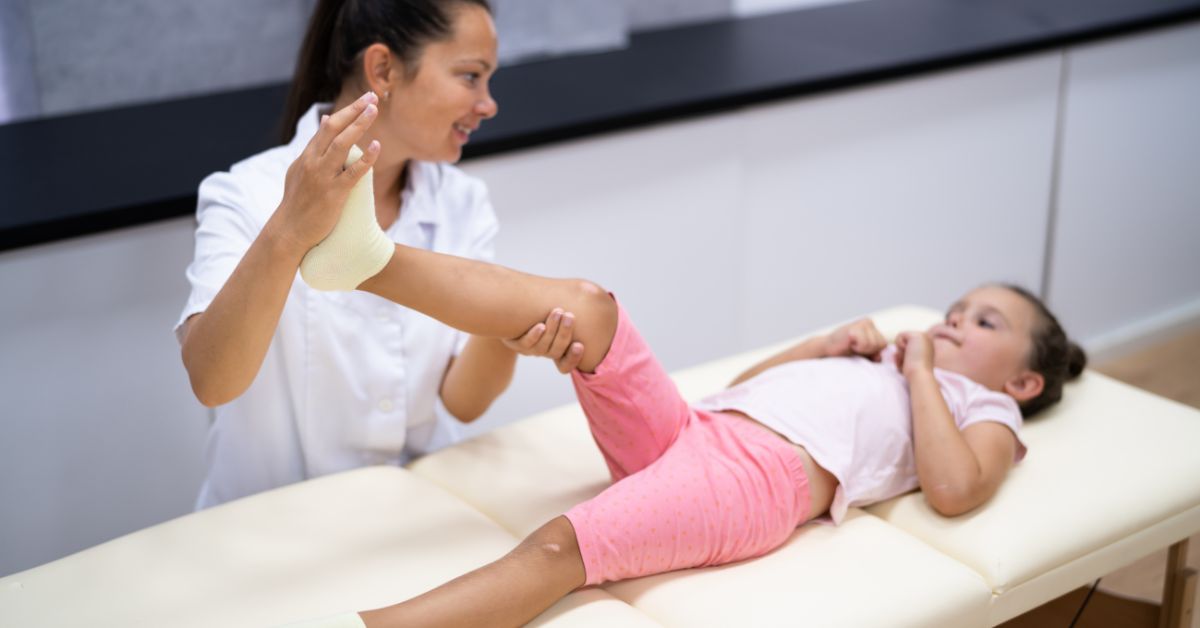
Pediatric orthopedic care has changed dramatically over the years. In the past, rigid treatments such as plaster casting were the most common solution for correcting foot alignment conditions in infants. While these methods were effective, they often limited movement and required frequent medical visits. Today, modern orthopedic technology is introducing new treatment approaches designed to be less restrictive and more comfortable for babies.
These advancements are especially important for conditions that affect foot alignment early in life. As medical understanding improves, specialists now focus not only on correcting the condition but also on supporting a baby’s natural movement and development during treatment.
Understanding Intoeing in Infants
Intoeing is a condition where a baby’s feet turn inward instead of pointing straight ahead. Many parents notice this alignment when their baby begins to kick, crawl, or eventually start walking.
In many infants, this inward foot positioning is simply part of normal development. As babies grow, their bones and muscles gradually rotate into a more natural alignment. However, some cases may require monitoring or treatment if the inward curve remains pronounced.
The three most common causes of inward foot positioning in infants include:
- Metatarsus adductus, where the forefoot curves inward
- Internal tibial torsion, involving inward rotation of the shinbone
- Femoral anteversion, where the thighbone rotates inward at the hip
Understanding the cause of the condition helps doctors determine the most appropriate treatment approach.
Traditional Treatment: Serial Casting
For many years, serial casting was considered the standard treatment for moderate to severe foot deformities in infants.
How Serial Casting Works
Serial casting involves placing a rigid cast on the baby’s foot and lower leg to gradually reposition the bones and soft tissues. The cast holds the foot in a corrected position while the muscles and joints adjust over time.
After one to two weeks, the cast is removed and replaced with another cast that slightly improves the foot’s alignment. This process continues for several weeks until the desired correction is achieved.
Limitations of Traditional Casting
Although casting can be effective, it has several drawbacks that can make treatment challenging for both babies and parents.
Common challenges include:
- Limited movement for the infant
- Multiple medical visits for cast adjustments
- Difficulty with bathing and hygiene
- Possible skin irritation or stiffness
Because of these limitations, pediatric orthopedic specialists have increasingly explored alternative methods that allow babies to remain active during treatment.
Modern Approaches in Pediatric Orthopedics
In recent years, pediatric orthopedics has shifted toward treatments that work with a baby’s natural movement rather than restricting it completely. Orthotic-based devices have become an increasingly popular option for guiding proper foot alignment.
Parents who want to better understand conditions affecting foot alignment can explore in toeing in babies and how early treatment options may support healthier development.
These modern devices are designed to gently guide the foot into the correct position while still allowing the baby to move, kick, and strengthen their muscles.
How the UNFO Brace Works
The Universal Neonatal Foot Orthosis (UNFO) is an orthopedic device designed specifically for infants with certain foot alignment conditions.
Instead of immobilizing the foot, the UNFO brace applies gentle corrective pressure that encourages the forefoot to move into proper alignment over time. Because the brace allows movement, babies can continue to develop their muscles and joints naturally during treatment.
This approach supports both correction and healthy motor development.
Benefits of Orthotic-Based Treatment
Orthotic devices like the UNFO brace provide several advantages compared to traditional casting.
Potential benefits include:
- Greater freedom of movement for infants
- Improved comfort during treatment
- Easier daily care for parents
- Reduced need for repeated casting procedures
Because the brace allows babies to move their feet and legs, it may also support natural muscle development while guiding alignment.
Why Early Treatment Matters
Early detection plays an important role in successful treatment outcomes. During the first months of life, a baby’s bones and connective tissues are highly flexible. This flexibility allows gentle correction methods to be particularly effective.
When treatment begins early, the foot may respond more quickly to alignment support, reducing the likelihood of long-term issues as the child begins to stand and walk.
Pediatric specialists often recommend monitoring foot alignment closely during infancy to determine whether early intervention may be helpful.
The Future of Pediatric Orthopedic Care
As technology continues to advance, pediatric orthopedic care is increasingly focused on treatments that prioritize comfort, flexibility, and early correction. Orthotic devices like the UNFO brace reflect a broader movement toward less invasive treatment options.
Rather than restricting movement, modern approaches aim to support the body’s natural development while gently guiding proper alignment.
Conclusion
The field of pediatric orthopedics continues to evolve as new technologies improve the way early foot conditions are treated. While traditional casting methods remain useful in certain cases, newer orthotic solutions are offering families alternative approaches that focus on flexibility and comfort.
With proper evaluation and early care, many infants with inward foot alignment can experience healthy development and normal walking patterns as they grow.