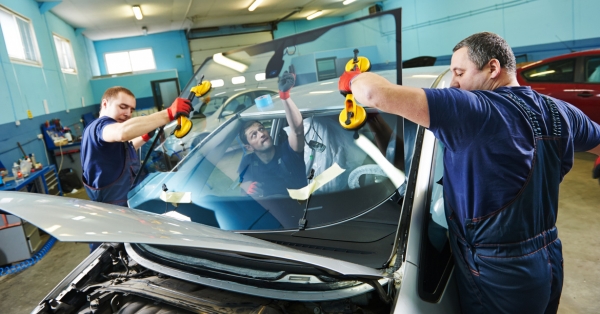
Getting a cracked windshield replaced by a pro can sound intimidating, but the process is more routine than most drivers think. A trained technician follows a tight checklist, uses high-strength adhesives, and treats the vehicle like a studio set. From the first quote to the final calibration, each step is designed to be safe, clean, and surprisingly quick. With the right prep and expectations, the entire experience feels smooth, efficient, and downright reassuring.
First Contact for Windshield Replacement in Phoenix: Booking, Quotes, and What Gets Asked
It usually starts with a quick quote, and a technician or scheduler will ask for the vehicle year, make, and model, plus the last eight digits of the VIN to identify the exact glass and features. If the windshield includes rain sensors, a head-up display, or a forward camera, those details help source the correct part. Insurance information gets verified early, and photos of the damage can speed approvals. Mobile service is common, so many owners choose a driveway, workplace, or shaded spot for convenience.
Scheduling often includes a time window to account for traffic and parts pickup, which keeps the day flexible while still predictable. The only real requirement is a safe, level area with a few feet of space around the front of the vehicle. If weather looks dicey, some teams carry pop-up canopies or reschedule to protect the adhesive cure. A quick phone confirmation the day before or the morning of the visit is standard practice.
Here’s the typical booking flow in a nutshell, before any tools come out: Expect a short call or web form to lock in the details, a parts confirmation so the right glass is on the truck, and a heads-up about cure time after the install. Many providers also send prep tips, like clearing the dash and removing passes or toll tags. The upfront communication keeps surprises off the table and makes the on-site work go faster.
- Share the VIN, vehicle details, and any ADAS features (camera, sensors, HUD).
- Choose mobile or in-shop service based on schedule and shade options.
- Pick a time window; confirm driveway or workplace access.
- Verify insurance or pay-on-delivery plans and the deductible.
- Receive simple prep notes and a reminder about safe drive-away time.
Arrival and Safety Prep: Shielding the Vehicle Before Any Glass Moves
When the technician arrives, expect protective covers over seats, dash, and fenders, along with a quick walkaround and a few photos. That walkaround notes existing scratches near the pillars or hood, which keeps records tidy and transparent. Interior trim near the A-pillars and mirror is gently removed to reach clips and sensors. The goal is simple: protect the cabin, label parts, and keep everything clean and traceable.
Modern vehicles integrate airbags and cameras close to the windshield, so technicians disconnect or isolate systems per manufacturer guidance before removal. Molding and cowl panels are lifted with trim tools to prevent paint scuffs, and any brittle clips get replaced rather than reused. If a rain sensor or camera mount sits on the glass, it’s detached carefully and stored safely until reinstallation. These small steps make the difference between a neat swap and a frustrating rattle later on.
Weather still matters even with mobile service, because temperature and humidity affect urethane performance. Shade can be as important as space, especially in hot regions, to keep surfaces within recommended ranges. If conditions aren’t ideal, the tech may adjust cure time or recommend a different slot. That attention to ambient conditions is part of why professional installations hold up over years, not just months.
The Swap: Removal, Adhesive, and a Precision Install
Removal starts with cutting tools-often fiber line systems that glide between glass and body without chewing up paint. The old glass lifts out as one piece, keeping cracks from snowballing across the cabin. The pinch-weld area is inspected for rust or nicks, then scuffed and primed where needed. Prepping the bond line is a quiet, meticulous moment that sets up everything that follows.
High-performance urethane goes on as a uniform V-bead, sized to match factory specs so the new windshield seats perfectly. Primers for both glass and body are applied within tight timing windows, because adhesion chemistry is fussy-on purpose. The tech follows the adhesive manufacturer’s data sheet for temperature, humidity, and “safe drive-away time,” which can range from 30 to 120 minutes. That cure window is non-negotiable, especially for vehicles with camera-based safety systems.
Once the new glass is set on locating blocks, firm, even pressure ensures a watertight seal and proper height relative to body panels. Clips, moldings, and the cowl go back in the correct order so panel gaps line up to factory spec. Sensors, mirrors, and rain modules are reattached, and the interior gets a quick clean and vacuum. The end result: a windshield that looks stock, fits snugly, and primes the car for calibration and testing.
ADAS Calibration and Quality Checks: Dialing In Safety and Fit
With many late-model vehicles, a forward camera or radar needs calibration after the glass is changed. Some cars require a static calibration with targets set up in front of the vehicle; others add a dynamic drive where systems learn on the road. The service tool clears related fault codes and verifies sensor alignment. Skipping this step isn’t an option when driver-assistance features rely on millimeters and degrees.
After calibration, the technician checks wiper sweep, washer aim, cowl fitment, and trim alignment. A gentle water test around the perimeter catches any bubbles or gaps early. Interior glass is wiped down to remove primer haze, and a final inspection confirms the VIN window is clear and the mirror area is solid. Drivers often appreciate a short rundown of the work performed and any care notes for the next day.
For quick peace of mind, many owners run through this simple post-install checklist: It’s an easy way to confirm the small details that make a big difference in daily use. Most items take seconds, and anything off can be addressed while the technician is still nearby. That last look ties a neat bow on the job.
- Wipers move smoothly without chatter, and the spray pattern lands high on the glass.
- The forward camera cover is seated properly; no warnings or ADAS lights remain.
- Exterior moldings sit flush, with even gaps along the roofline and A-pillars.
- The VIN cutout is clear and readable from outside the windshield.
- Mirror, rain sensor, and toll tags are firmly attached with no wiggle.
Time, Cost, and Warranty-What’s Normal Right Now
The snapshot below outlines 2025 timeframes and price ranges most drivers can expect for a professional windshield replacement, including ADAS considerations. Real-world numbers vary by vehicle trim, glass brand (OEM vs. aftermarket), and whether calibration is required. Climate also plays a role, since heat and humidity nudge adhesive cure times. Think of this as a realistic baseline, not a one-size-fits-all quote.
To see the key details at a glance, the following table breaks down typical timing, pricing, and warranty expectations.
| Item | Typical Range (2025) | Notes |
|---|---|---|
| Replacement duration | 60-120 minutes | Includes removal, prep, install; excludes calibration and cure wait |
| ADAS calibration | 30-90 minutes | Static targets and/or dynamic road drive depending on model year |
| Safe drive-away time | 30-120 minutes | Adhesive- and climate-dependent; follow tech guidance exactly |
| Price (mainstream vehicles) | $250-$500 | Before insurance; aftermarket glass with pro install |
| Price (luxury/ADAS/OEM) | $400-$1,200+ | HUD, acoustic, heated zones, OEM branding can increase cost |
| Mobile service | Often $0-$50 | Commonly included or waived in metro areas |
| Warranty | Lifetime workmanship | Leaks, wind noise, and workmanship typically covered |
| Insurance deductible | $0-$500 | Many AZ policies include glass coverage; check specifics |
From this table, it’s clear that calibration and climate can add modest time, but most drivers can plan for a same-day, single-visit fix.
In short, mainstream vehicles often land in the mid-hundreds and get finished in a single visit, with calibration tacking on less than an extra hour in many cases. Luxury trims and OEM-branded glass can raise price and lead time, especially if parts need ordering. Phoenix heat can actually shorten some cure times but also demands shade to keep temperatures in range. Following safe drive-away guidance matters more than the clock-safety systems depend on it.
Good installers stand behind their work, so a lifetime workmanship warranty is a reassuring box to check. That coverage typically includes wind noise, leaks, or adhesive defects, and it stays with the vehicle as long as the glass remains installed. Clear documentation of the part number, adhesive brand, and calibration report is a nice touch. Those records make insurance follow-ups and future service easy.
Phoenix-Specific Tips for a Smooth, Sun-Safe Appointment
Local crews know the drill with desert sun, so shade or a garage is prime real estate for a clean install and predictable curing. Early morning slots often pair cooler temps with lighter traffic, which keeps schedules on time. For anyone comparing options, windshield replacement phoenix searches usually surface mobile teams that come to workplaces or driveways, which suits tight calendars. That mix of mobility and climate awareness is the sweet spot in the Valley.
Dust control matters more than people think-technicians often wipe the bonding area multiple times and keep trim pieces bagged. A quick rinse or gentle wipe-down of the cowl area beforehand can help, especially after a dusty weekend. ADAS calibration can be done mobile or in a controlled space, depending on the vehicle’s requirements. The deciding factor is the automaker’s procedure, not convenience, and that’s a good thing for accuracy.
Phoenix providers commonly offer fast quotes, same-day or next-day scheduling, and calibration in the same visit when needed. Many also commit to a lifetime warranty on workmanship, which is exactly the kind of detail that lowers stress before the first tool comes out. Commercial fleets, trucks, and RVs get similar treatment, with technicians bringing taller stands and different glass handling gear. The result is a process that feels dialed in for both daily drivers and specialty vehicles.
Closing the Loop on a Hassle‑Free Windshield Replacement
A professional windshield replacement is part science, part choreography, and entirely achievable in a single, tidy appointment. With careful prep, proper adhesives, and a verified calibration, the vehicle leaves safer and clearer than it arrived. Choosing a crew that documents the work and stands behind it with a solid warranty turns a crack into a non-event. For anyone planning the next step, a calm, methodical process is exactly what gets that crystal‑clear view back on the road.